Skills Builder residentials: how JCA helps secondary schools evidence enrichment
Every secondary trip leader gets asked the same question before a residential is signed off: what will students get from it, and how will we show that to parents, governors and inspectors? A change of scenery isn’t enough of an answer any more.
So we’ve redesigned our secondary residentials around the Skills Builder Universal Framework, a globally recognised approach to building essential, transferable skills. The programme runs at Condover Hall in Shropshire and Croft Farm in the Cotswolds, and the first groups arrive in February 2027. It’s included in the price of every JCA secondary residential.
JCA is an Impact Level 3 Skills Builder delivery partner
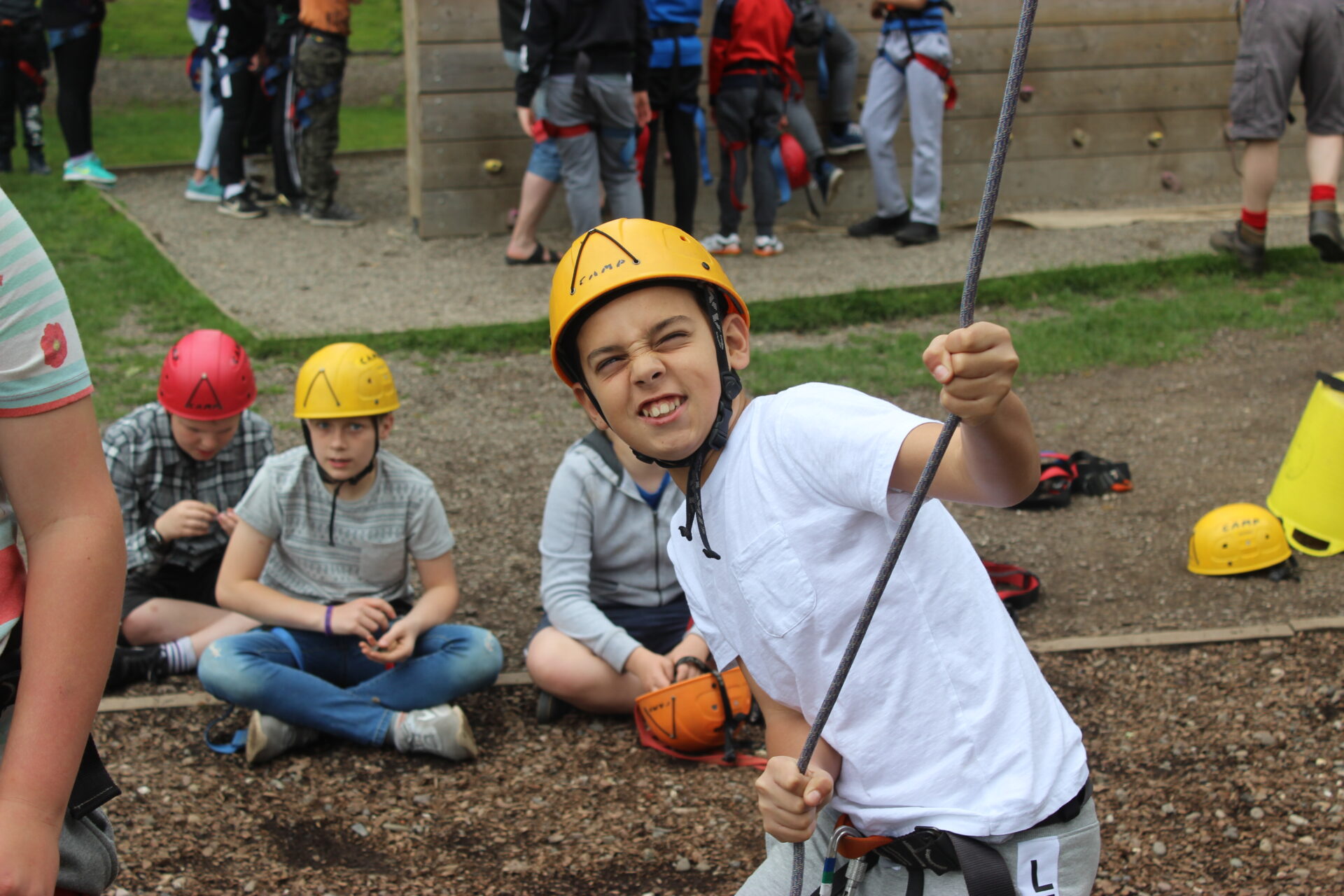
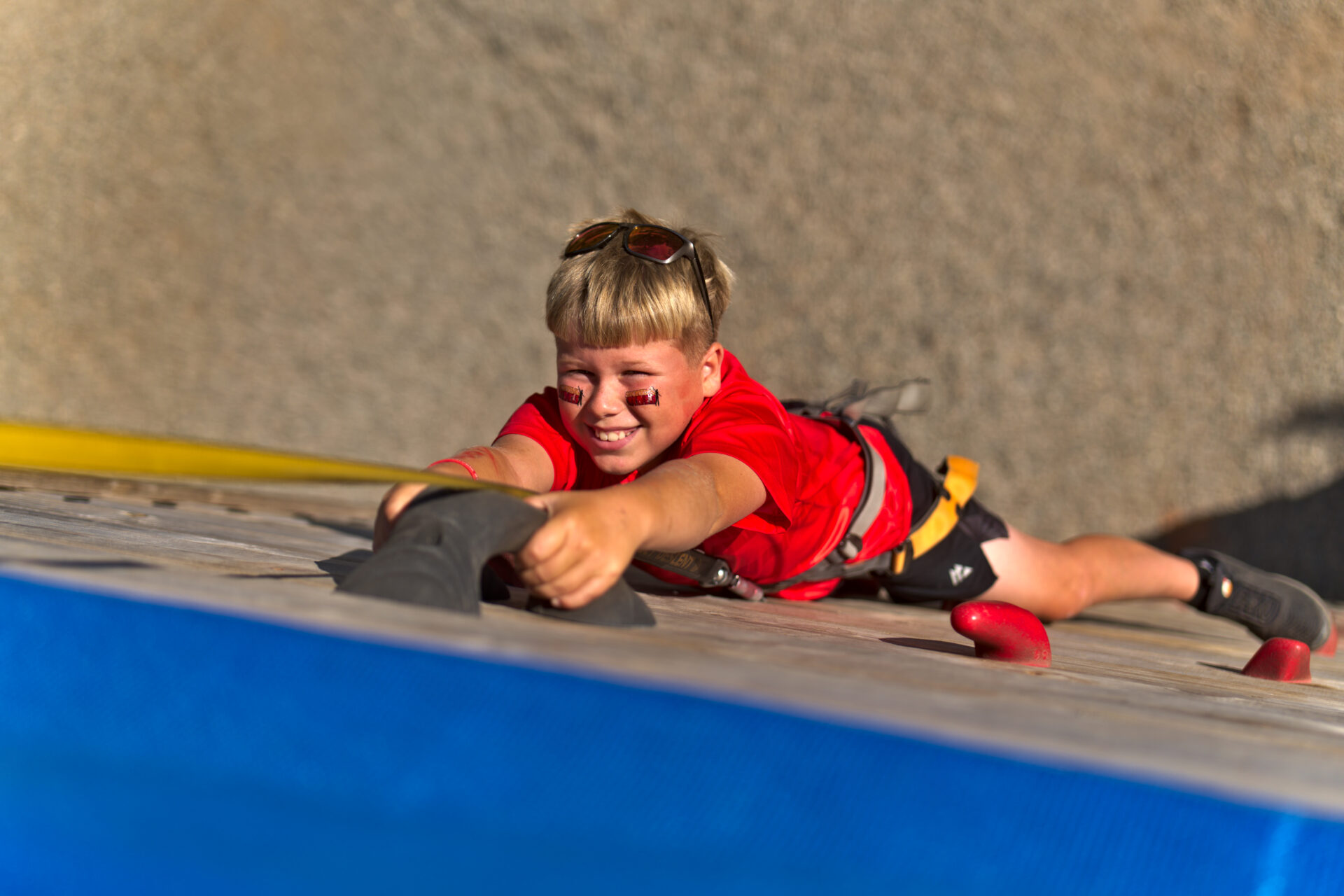
Your students still get everything they love about a week away: real challenge, group living and an instructor who knows how to get the best out of teenagers. Now they also come home with evidence of the skills they’ve built.
We spoke to Shiral Borley, Senior Marketing Associate at the Skills Builder Partnership, and Matt Smith, Compliance & Operations Manager at JCA, about what it means for your students.
What is the Skills Builder Partnership?
“Founded in 2009, the Skills Builder Partnership is a global not-for-profit social enterprise working toward a simple mission: to ensure that one day, everyone builds the essential skills to succeed.
Spanning more than 950 organisations across education, employment, and the non-profit sector, Skills Builder Partnership also works alongside policymakers to align statutory guidance and national educational strategy with essential skills.”
Shiral Borley, Skills Builder Partnership
At the heart of the Partnership is the Skills Builder Universal Framework. It breaks eight essential skills into 16 clear, teachable steps each, from beginner to mastery:
- Communication: Listening, Speaking
- Creative problem solving: Problem Solving, Creativity
- Self-management: Adapting, Planning
- Collaboration: Leadership, Teamwork
What does Skills Builder aim to achieve with schools and providers?
1. Establish a universal language for skills:
Provide a single, shared language so a person’s skill progression is recognised and understood seamlessly across schools, extra-curriculars, and workplace recruitment.
2. Shift from activity to measurable progression:
Help partners move beyond measuring simple participation in activities, enabling them to explicitly teach, assess, and track real skill growth.
3. Drive equity and social mobility:
Ensure access to essential skill development isn’t left to chance or privilege, giving every learner – especially those from disadvantaged backgrounds – the core tools needed to thrive in life and work.
4. Build lifelong capability:
Ensure that essential skill development happens at every stage of life, from early primary education right through to adult employment.
Why the focus on skills now?
In June 2026, the Department for Education published new enrichment benchmarks for schools and colleges in England. They’re non-statutory, but from September 2026 Ofsted considers a school’s enrichment offer when it judges personal development. Nature, outdoor and adventure is one of the five named categories of enrichment.
Schools have always known that real challenges away from home build confidence, resilience and teamwork. What’s been missing is a shared, consistent way to show that growth is happening. That’s the gap this programme closes.
“This focus on enrichment presents a huge opportunity to build essential skills alongside academic success. However, we have to ensure those experiences drive measurable skill progression. Grounding enrichment in a structured essential skills framework transforms extra-curricular experiences into intentional learning, giving educators and students a common language to track progress, closing equity gaps for disadvantaged learners, and turning everyday experiences into concrete building blocks for young people’s futures.”– Shiral Borley
How does it work on a JCA residential?
To see how this works in practice, we turned to Matt Smith, JCA’s Compliance & Operations Manager. Matt wrote the instructor session guides for the programme and the content for the Essential Skills Passport, so he knows exactly how each day fits together.
Each group is supported by the same instructor throughout their stay. By getting to know their group over several days, instructors can challenge, support and encourage students as they build confidence, develop essential skills and reflect on their progress.
The instructor who saw someone hesitate on the first morning would be the same person helping them recognise their achievements on the final day.
One instructor. Learning that builds. Here’s how a week fits together:
- Set goals together. On day one, each group creates a group charter, agreeing how they will work together and what each student hopes to achieve during the residential. For some, that may be tackling a challenging activity for the first time, building confidence away from home, making new friendship groups, becoming more independent or stepping outside their comfort zone.
- Rate yourself. Students complete an initial self-assessment in their JCA Essential Skills Passport, helping them think about where they are at the start of their journey.
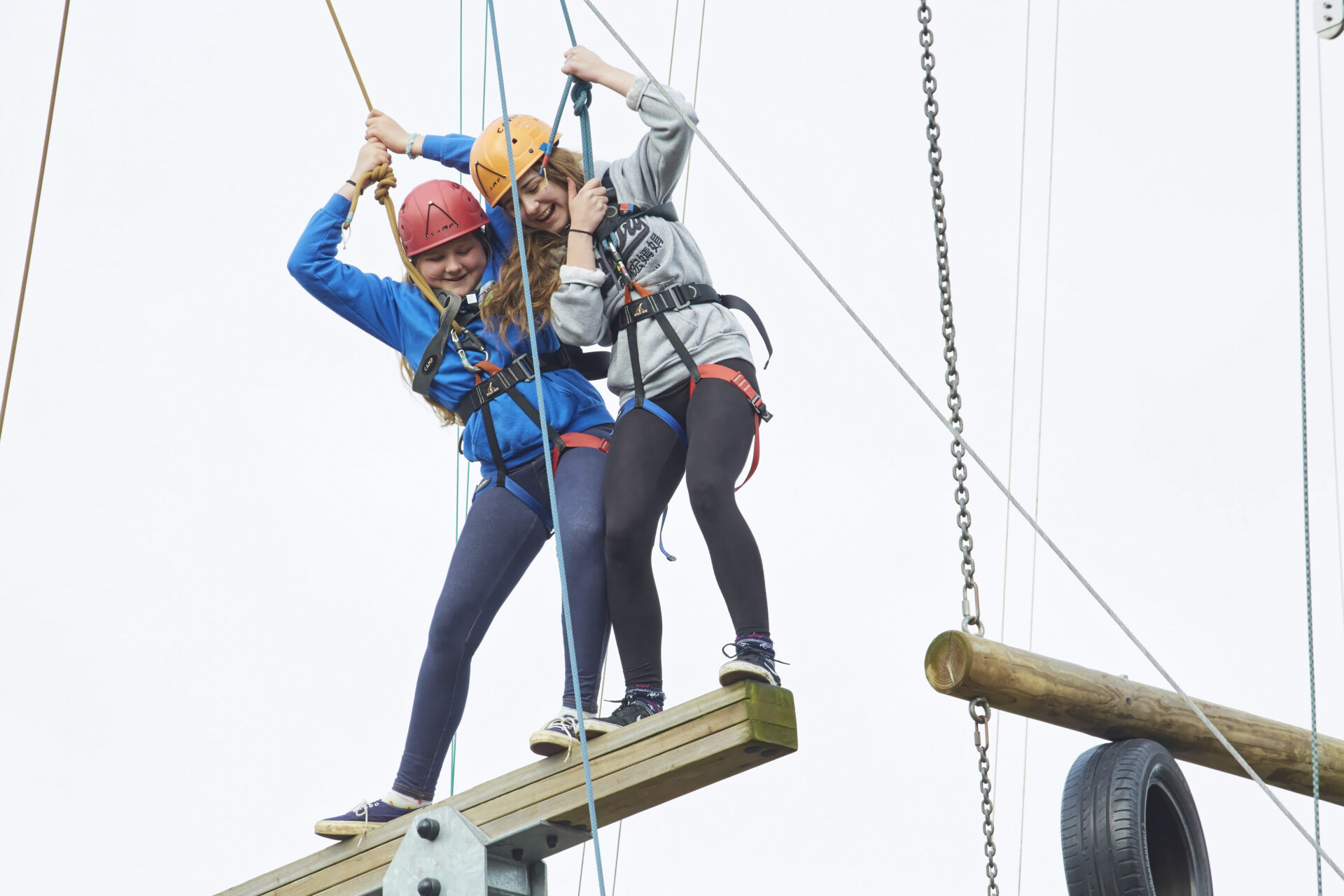
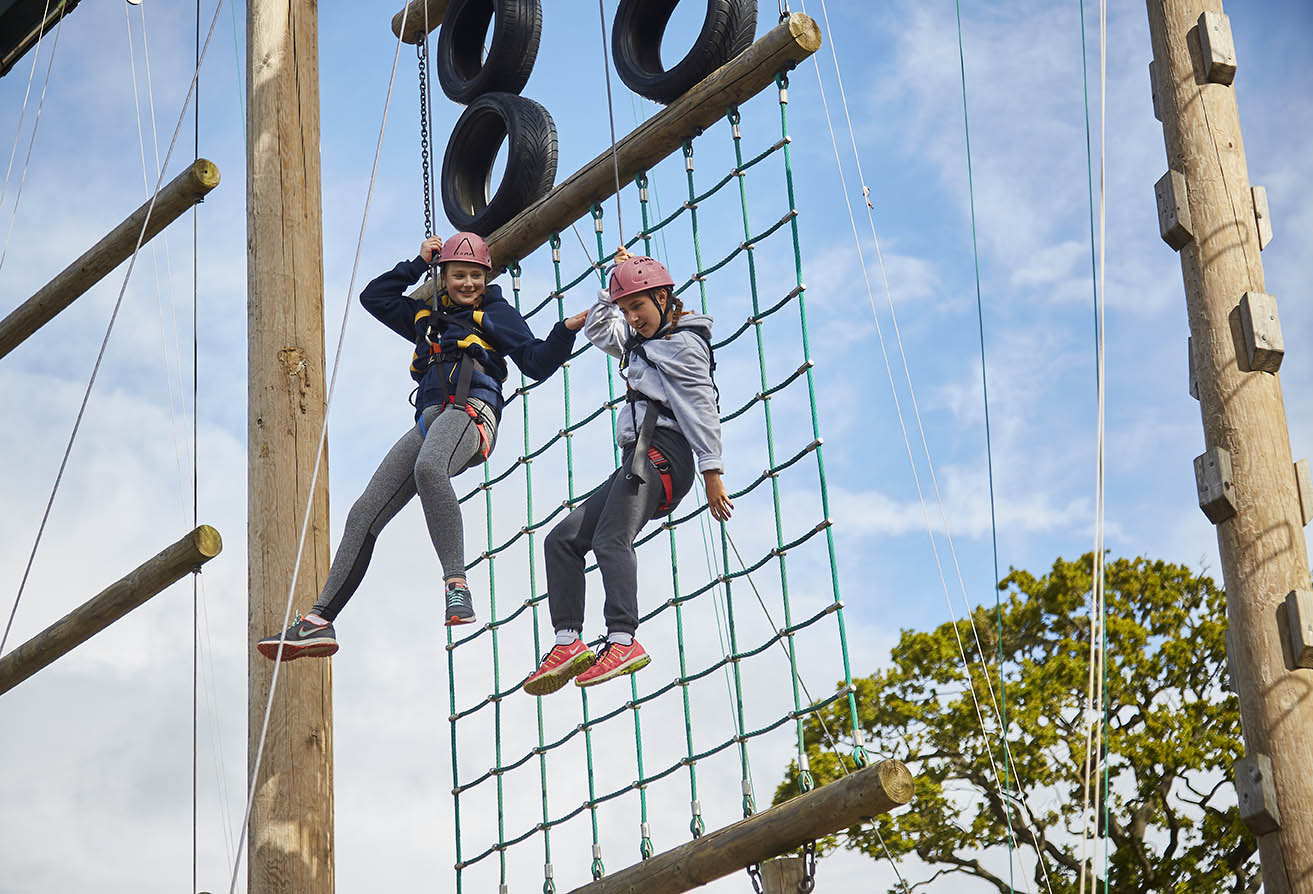
- Take on the challenges. Each JCA activity has been mapped against the Skills Builder Universal Framework, with three key skill steps highlighted as the strongest opportunities for development within that activity. For example, an abseil may focus on setting goals (Planning), supporting others (Adapting) and being inclusive (Teamwork). Instructors use observation, questioning and coaching conversations to help students recognise when they are demonstrating these skills.
- Reflect. Throughout the residential, instructors facilitate structured reflection opportunities, helping students think about what they have experienced, where they have demonstrated essential skills and how those skills apply. Students record their own examples and evidence within their Essential Skills Passport.

On the final day, students review their progress, complete a final self-assessment and identify how the skills they have developed can be applied back at school and in everyday life. Their passports are then taken back to school as a record of their development.
“Every JCA activity has been mapped against specific skills from the Skills Builder framework. This gives instructors a clear focus while helping students understand not just what they are doing, but what they are learning about themselves along the way.”
What’s the Best Age for a School Residential?
Hear from a JCA specialist on when children are most likely to benefit from their first residential experience.
Frequently asked questions
How does JCA Adventure support pupils with additional needs on residentials?
Additional needs information is shared with on-site staff on arrival, so that activities can be tailored where necessary. In one example from a recent visit, a child uncomfortable with the standard caving activity took part with just one other pupil in a quieter version of the session, arranged on the spot by the leader in charge.
Are meals and dietary needs catered for?
Yes. All meals are prepared on site and dietary requirements can be catered for with advance notice.
Can teachers book a preview visit?
Yes — we welcome Party Leaders, Governors, EVCs and Local Authority Advisors for free preview visits.
Add Skills Builder to your next residential trip!
Ready to plan your secondary school residential?