Skills Builder Residential vs Activity Residential: What’s the Difference?
If you’re planning a secondary school residential, you’ve probably got two important questions: what will students gain from the experience, and what will you be able to show for it when you return to school? A traditional activity residential gives students opportunities to take on new challenges, build independence and spend time with classmates beyond the classroom. A Skills Builder residential takes that experience one step further. The adventure is still there, but the skills students develop along the way are identified, discussed, reflected on and recorded. So, what actually changes? Here’s what stays the same, what’s different and how to decide which residential experience is right for your students.
What Does a Traditional Activity Residential Give Students?
A good activity residential is valuable in its own right.
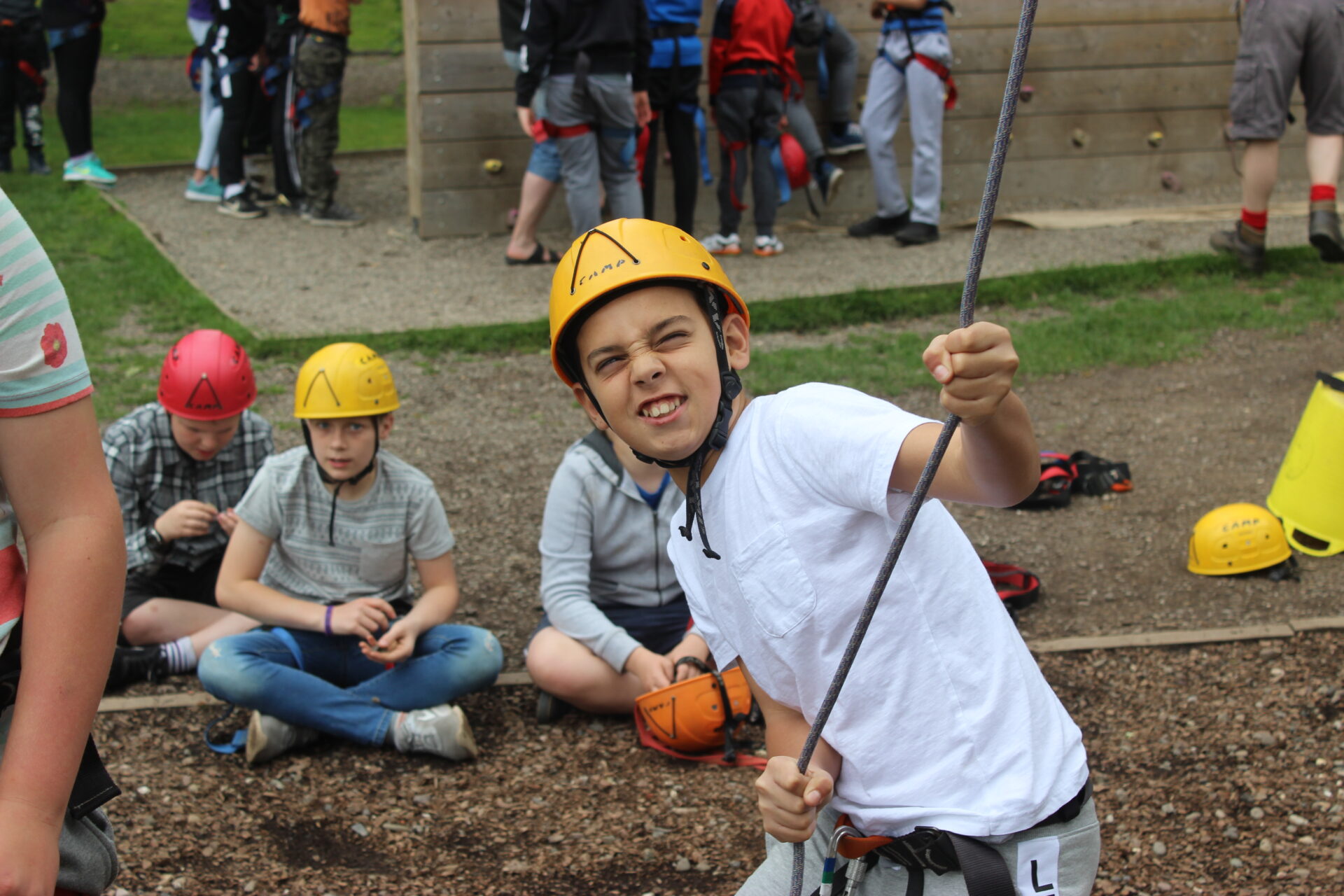
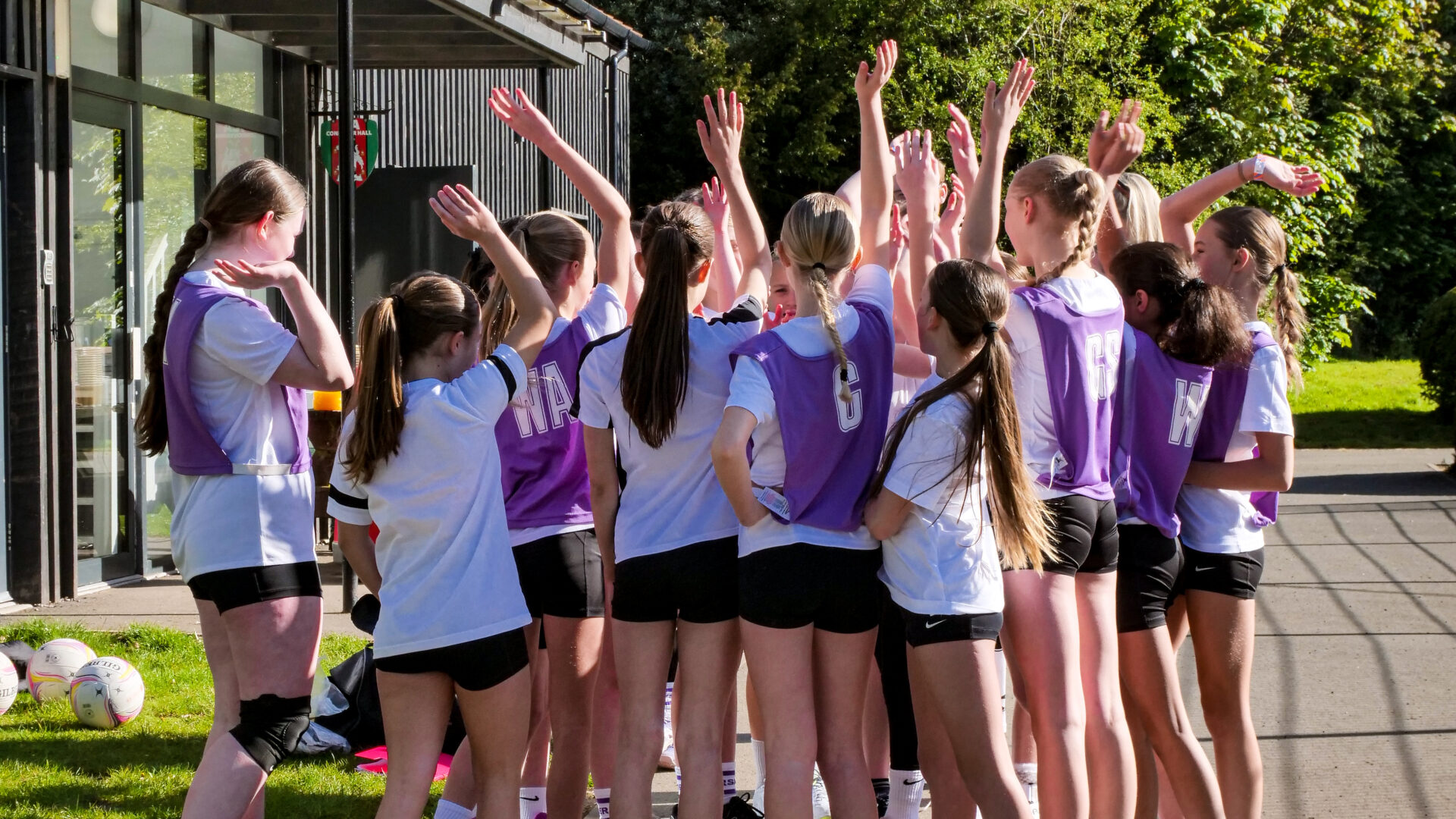
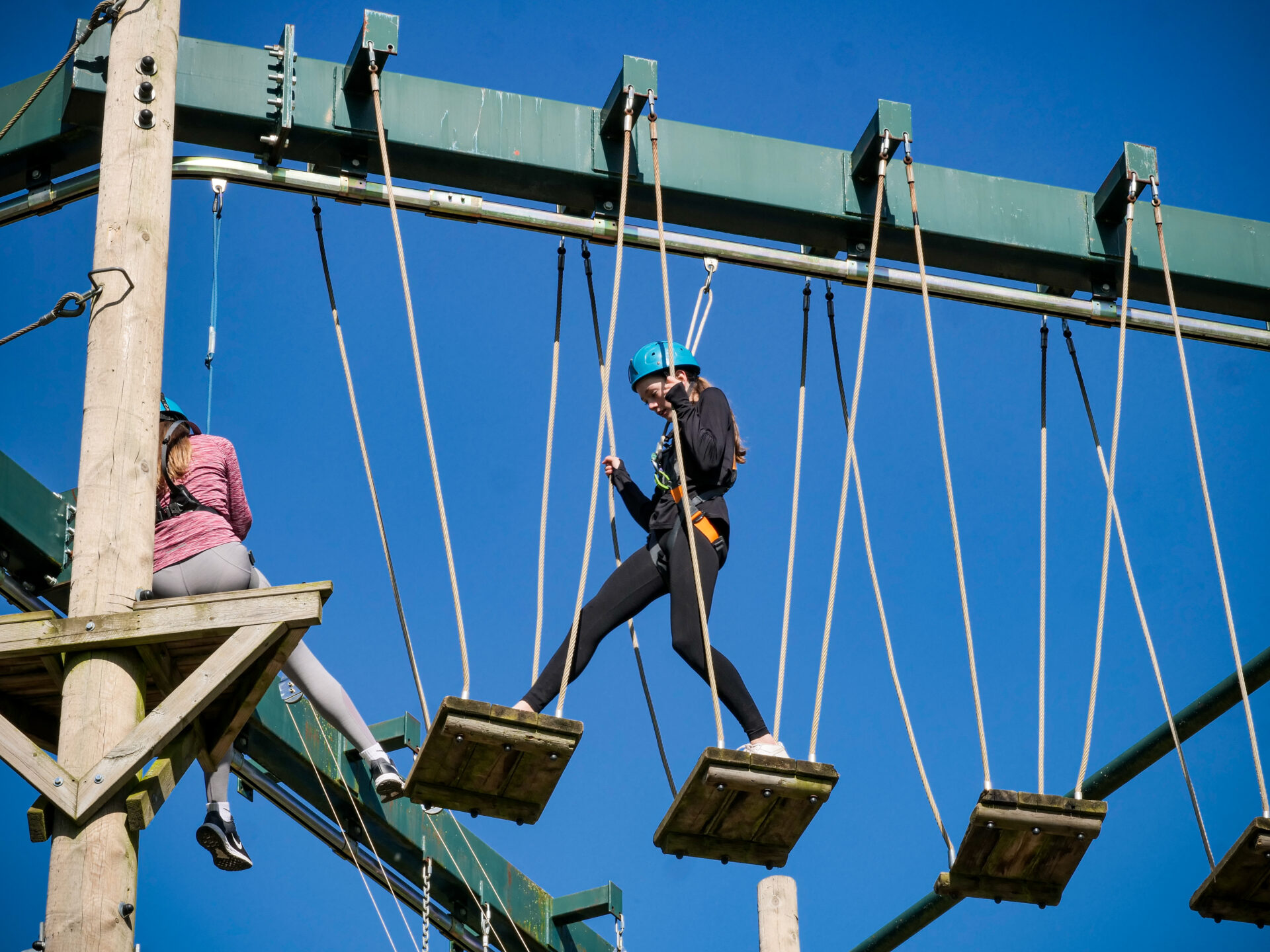
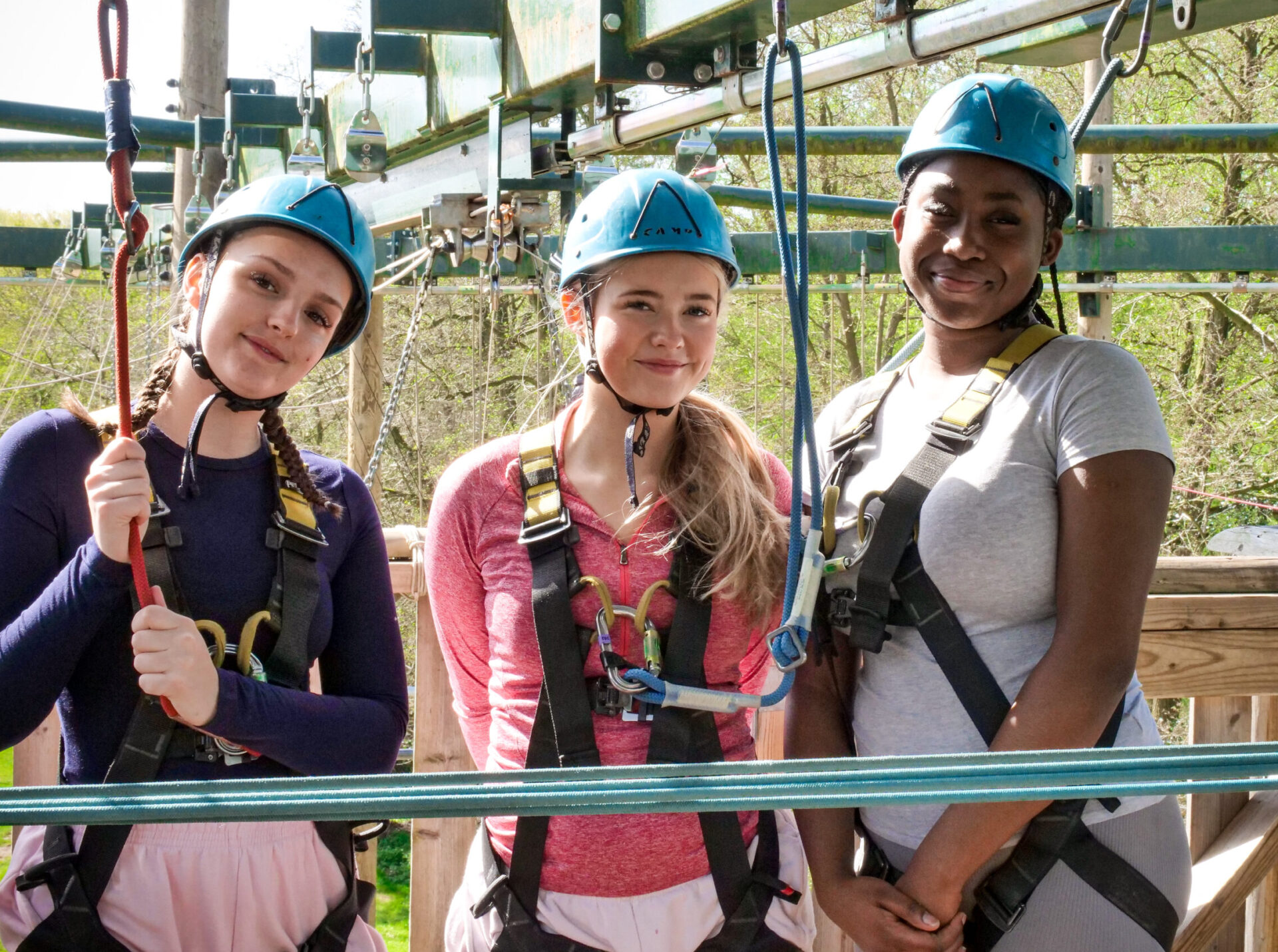
Students get opportunities to try new experiences, from abseiling to raft building. They spend time with classmates outside their normal school environment, face challenges, manage nerves and become more independent.
At JCA, each small group of up to 15 students has one instructor throughout their stay, with specialists joining groups for water-based sessions. This consistency gives instructors the opportunity to get to know the group and see students develop during their time away.
Skills such as teamwork, resilience and communication can naturally come into play throughout a residential.
However, those skills aren’t always identified or recorded as they’re happening. Students may return remembering the challenge they completed or their favourite activity, without necessarily recognising the skills they used to get there.

What Makes a Skills Builder Residential Different?
A Skills Builder residential keeps the adventure while adding a structured way for students to recognise, develop and evidence essential skills.
The programme is built around the Skills Builder Universal Framework, which covers eight essential skills across four areas:
Communication
- Listening
- Speaking
Self-Management
- Adapting
- Planning
Creative Problem Solving
- Problem Solving
- Creativity
Collaboration
- Leadership
-
Teamwork
Each skill is broken down into 16 progressive steps, helping students understand what development can look like as they move from the basics towards more advanced application.
Instead of simply saying“students demonstrated teamwork”, the framework provides a more structured way for students to identify the specific skills they used.
That means the adventure itself becomes the starting point for something more: recognising how a student listened, adapted, planned, solved a problem, supported a team or stepped into a leadership role.
What does Skills Builder look like on a JCA residential?
Each essential skill is broken down into 16 progressive steps.
JCA is a Level 3 Skills Builder partner, bringing this framework into the secondary residential experience.
Every Activity Focuses on Three Skill Steps
Students don’t try to focus on all eight essential skills during every activity.
Instead, each activity focuses on three specific Skills Builder steps.
Before the session begins, the instructor introduces the skills students will be focusing on. During the activity, students then get opportunities to put those skills into practice as they work through the challenge.
This means students aren’t simply taking part.
They’re starting to recognise the skills behind how they approach challenges, work with others and respond to different situations.
Instructors Help Make the Learning Visible
On a Skills Builder residential, instructors don’t simply deliver the activity.
Your group’s instructor introduces the focus skills before each session and uses observations and questions throughout the experience.
Afterwards, the conversation can go beyond what happened during the activity and explore the decisions students made, how they approached the challenge and which skills they put into practice.
That helps transform an exciting experience into something students can understand and learn from.

Reflection Is Part of the Programme
Reflection isn’t something students have to squeeze in at the end of an already busy day.
30-minute instructor-led reflection sessions are built into the Skills Builder residential programme.
Students have time to discuss what they’ve achieved, consider the skills they’ve used and record their own examples of those skills in action.
It’s a chance to pause, look beyond the activity itself and recognise the development happening throughout their residential.
Every Student Gets an Essential Skills Passport
Students begin their Skills Builder residential with a baseline self-assessment and complete another self-assessment at the end of their stay.
Throughout the residential, they record examples of the skills they’ve put into practice in their own Essential Skills Passport.
Different students may demonstrate the same skill in very different ways. The Passport gives each student somewhere to recognise and record their own experiences.
At the end of the residential, the Essential Skills Passports are handed to teachers to take back to school.
Learning Doesn’t Stop Between Activities
Some important residential moments happen when students aren’t taking part in a scheduled activity.
Living alongside classmates, sharing rooms and navigating everyday situations together can create further opportunities for development.
At the beginning of the Skills Builder residential, each group agrees a Group Charter for how they’ll work together.
Four skill areas then continue throughout the stay:
- Active listening
- Practising resilience
- Involving others
- Being diplomatic
This helps students recognise that essential skills aren’t only used when they’re climbing, paddling or completing a challenge. They can also be part of everyday residential life.
Activity Residential vs Skills Builder Residential
The adventure remains at the heart of both experiences. The difference is how the learning around that experience is identified and captured.
Activities
Activity residential: Focuses on participating, taking on challenges and having a go.
Skills Builder residential: Each activity also focuses on three identified skill steps.
Briefings
Activity residential: Covers the activity, equipment, safety and goals.
Skills Builder residential: Introduces additional skill goals for students to consider.
Reflection
Activity residential: Reflection can happen informally.
Skills Builder residential: 30-minute instructor-led reflection sessions are built into the programme.
Instructor
Both programmes provide one instructor for each small group throughout the stay, with specialists joining groups on the water.
Skills
Activity residential: Skills can develop naturally throughout the experience.
Skills Builder residential: Skills are identified, discussed and evidenced.
Reviews
Activity residential: Reviews what happened and how the activity went.
Skills Builder residential: Explores decisions, behaviours and the skills students used.
Evidence
Activity residential: Development may primarily be recognised through teacher and instructor observations.
Skills Builder residential: Students record their own examples through their Essential Skills Passport, alongside baseline and end self-assessments.
Price
Skills Builder is included in the price of a secondary residential, so there’s no additional charge for choosing the Skills Builder programme.

Which Residential Is Right for Your School?
Because Skills Builder is included in the price, the decision comes down to what you want your students and school to take away from the residential.
A Skills Builder residential could be particularly relevant if you:
- want to evidence enrichment or personal development
- already use Skills Builder at school and want students to continue using the same language
- are planning a Year 7 transition residential with a shared purpose
- want to connect the residential with careers, employability or pastoral aims
- want students to return with a structured record of their skills development
A traditional activity residential may be more suitable when the main goal is simply to celebrate, have fun together or maximise activity time.
Some Skills Builder sessions are adjusted to allow time for reflection, so schools looking to fit as much activity into their stay as possible may prefer the standard programme.
Every group has different priorities. Tell us what you want your students to gain from their time away and we’ll help build the programme around your group and your goals.
From adventure to evidence
A residential will always be about the experience.
It’s about taking on something new, working alongside classmates and creating memories away from the classroom.
But those experiences can also provide opportunities for students to recognise the skills they are putting into practice.
Skills Builder gives those moments a shared language. Reflection gives students time to recognise them. And the Essential Skills Passport gives them something they can take back to school.
So instead of simply asking“Did our students enjoy their residential?”, schools can begin asking:
What did they learn about themselves, and how can we show it?
Ready to plan your next school residential?
Speak to a member of the team