Primary school residential safety at Condover Hall: a teacher’s view
Time to read
Primary school residential safety isn’t something you can judge from a brochure. It’s something you experience firsthand when you take a class away, see how staff support pupils throughout the trip, and return home confident you’d do it all again. That’s exactly why St Andrew’s Primary School has returned to Condover Hall, JCA Adventure’s flagship centre in Shropshire, for the past four years. We spoke to Russ Hyde, Assistant Headteacher, about why the school continues to choose Condover Hall.
Is Condover Hall safe for a primary school residential?
‘Yes!’
The evidence was clear within the first hour of St Andrew’s most recent visit. As soon as the coach pulled up, a senior member of staff took me aside and talked me through the arrangements, key updates, and safety protocols for the trip.
“It takes a lot of the stress out of taking dozens of young people away on a residential trip.”
For teachers like Russ Hyde, that early handover makes all the difference. It gives group leaders the chance to raise any changes since their last visit and ensure everyone is working from the latest information. With arrangements and safety procedures confirmed from the outset, Russ can turn his full attention to his pupils, helping them settle in and make the most of their residential experience.
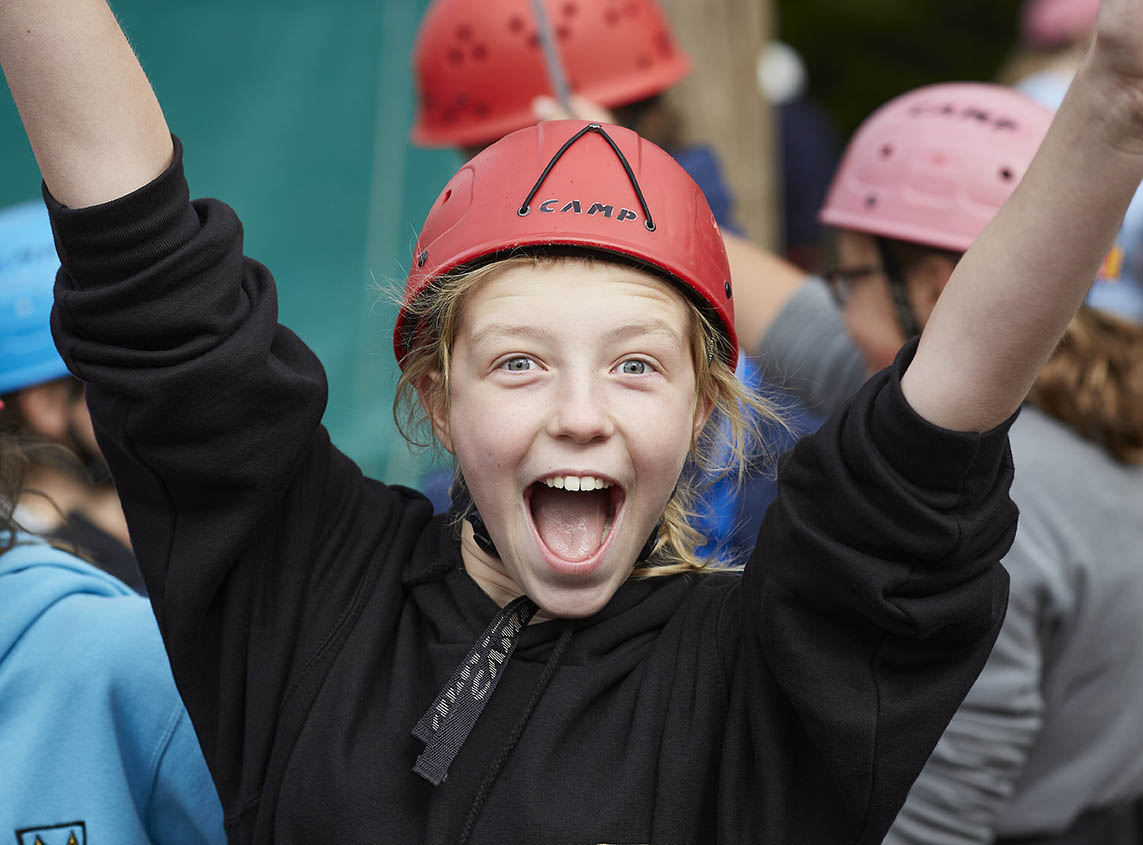
How JCA handles primary school residential safety before and during the trip
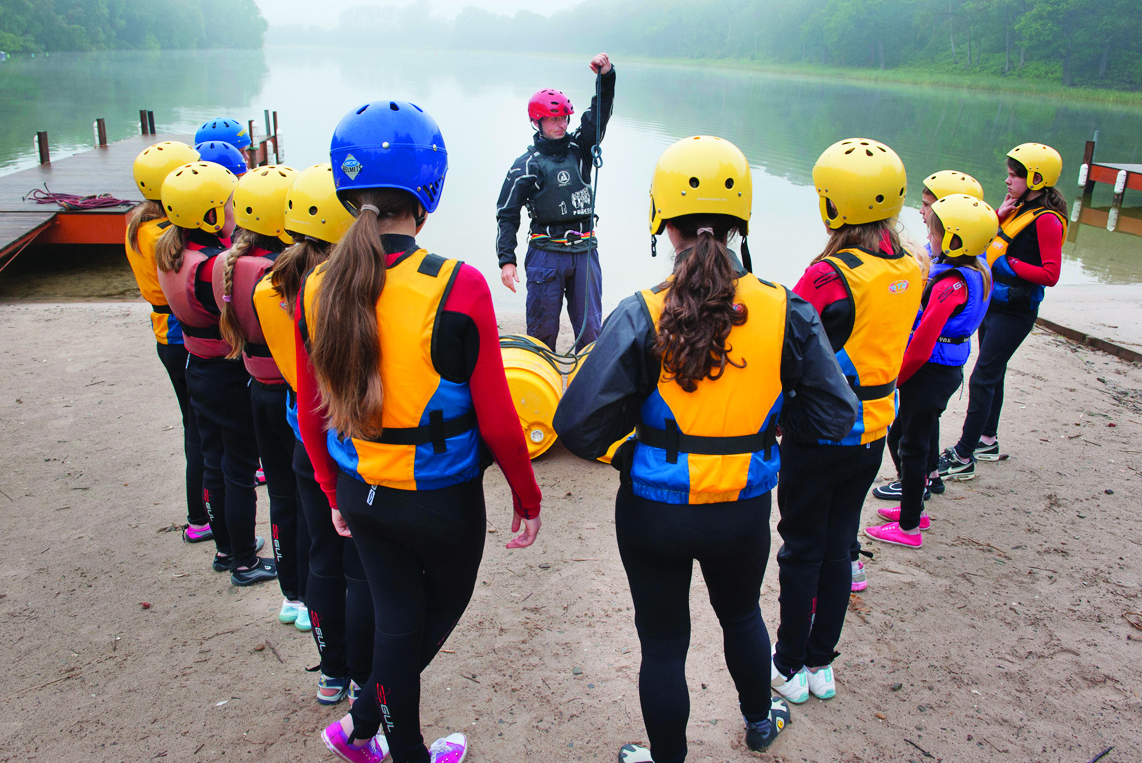
Most of what makes a residential feel safe is decided before anyone gets on the coach. Russ’s school stays in touch with JCA’s head office through the run-up, with a named rep as his single point of contact. Timings, accommodation and the activity programme come through in good time, and in the last year, scheduling and rooming have moved onto a digital platform that keeps everything in one place.
This rhythm carries through onto site. Russ’s group always knows what’s coming next throughout the day, including meal times, with any changes flagged immediately so his school can adjust. The centre is also staffed round the clock, so there’s always someone in post if a teacher needs them.
“
We have zero concerns when it comes to the safety of our children at Condover Hall.
Russ Hyde, St Andrew’s Primary School
Safety built into the fun, not bolted on top
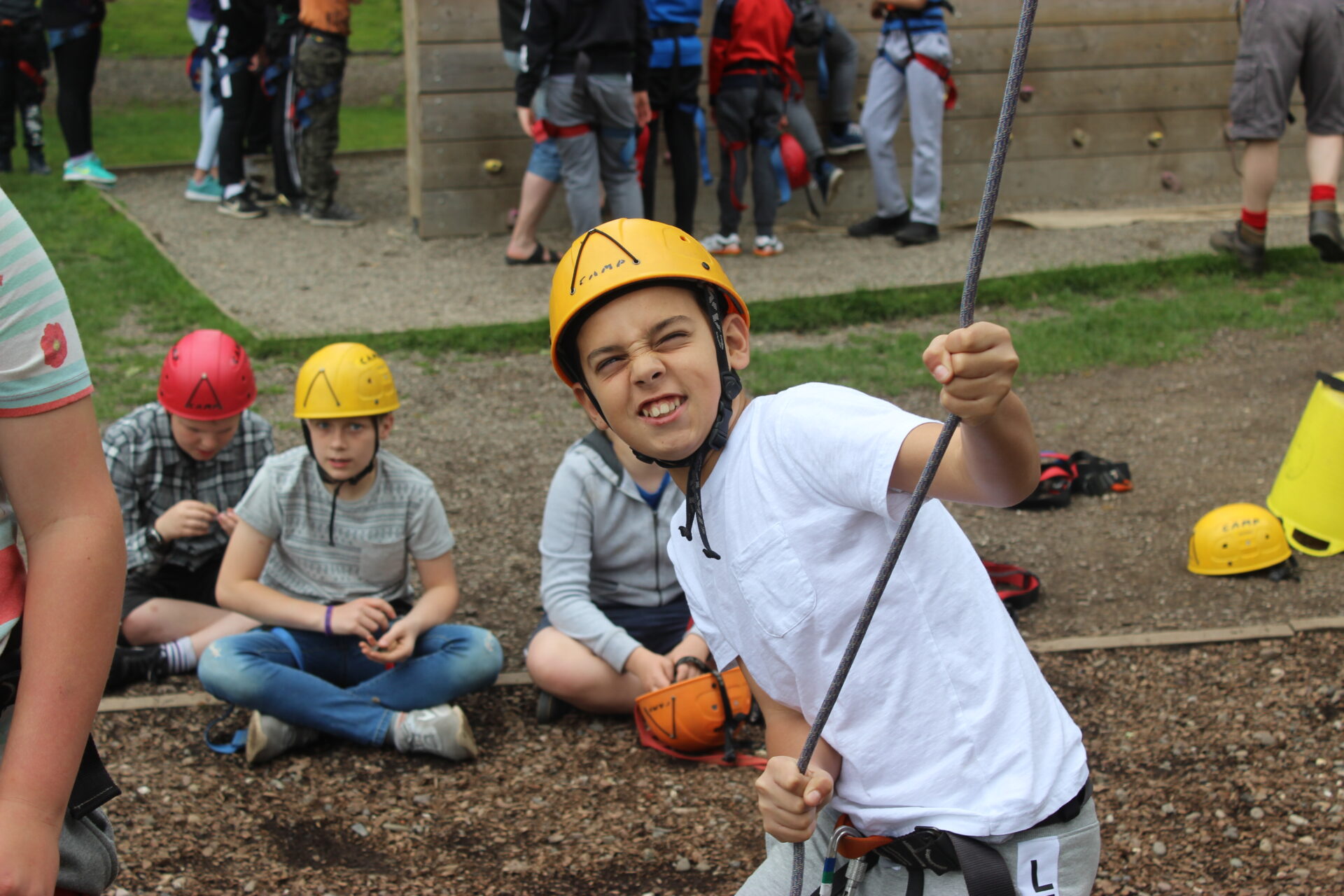
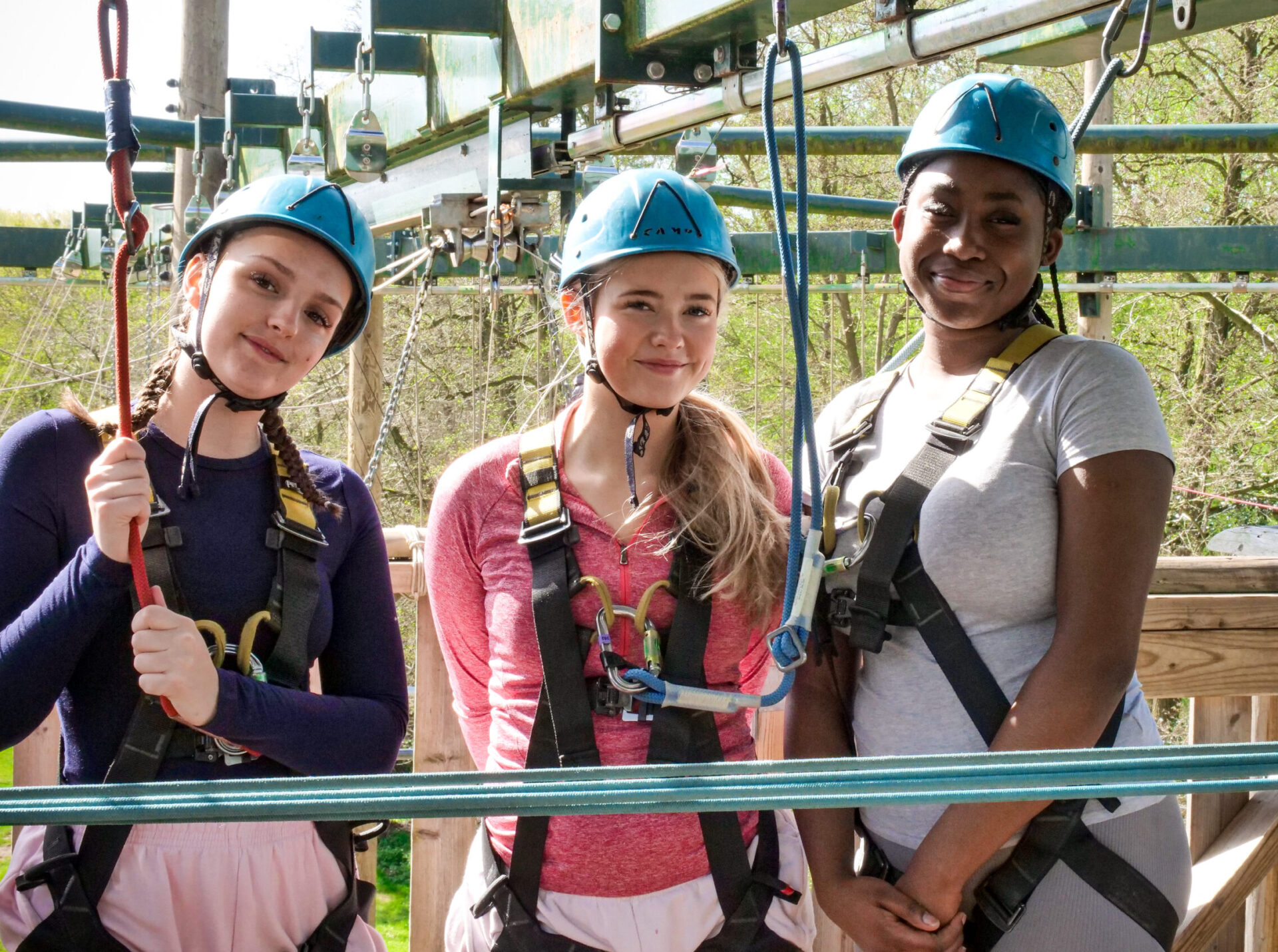
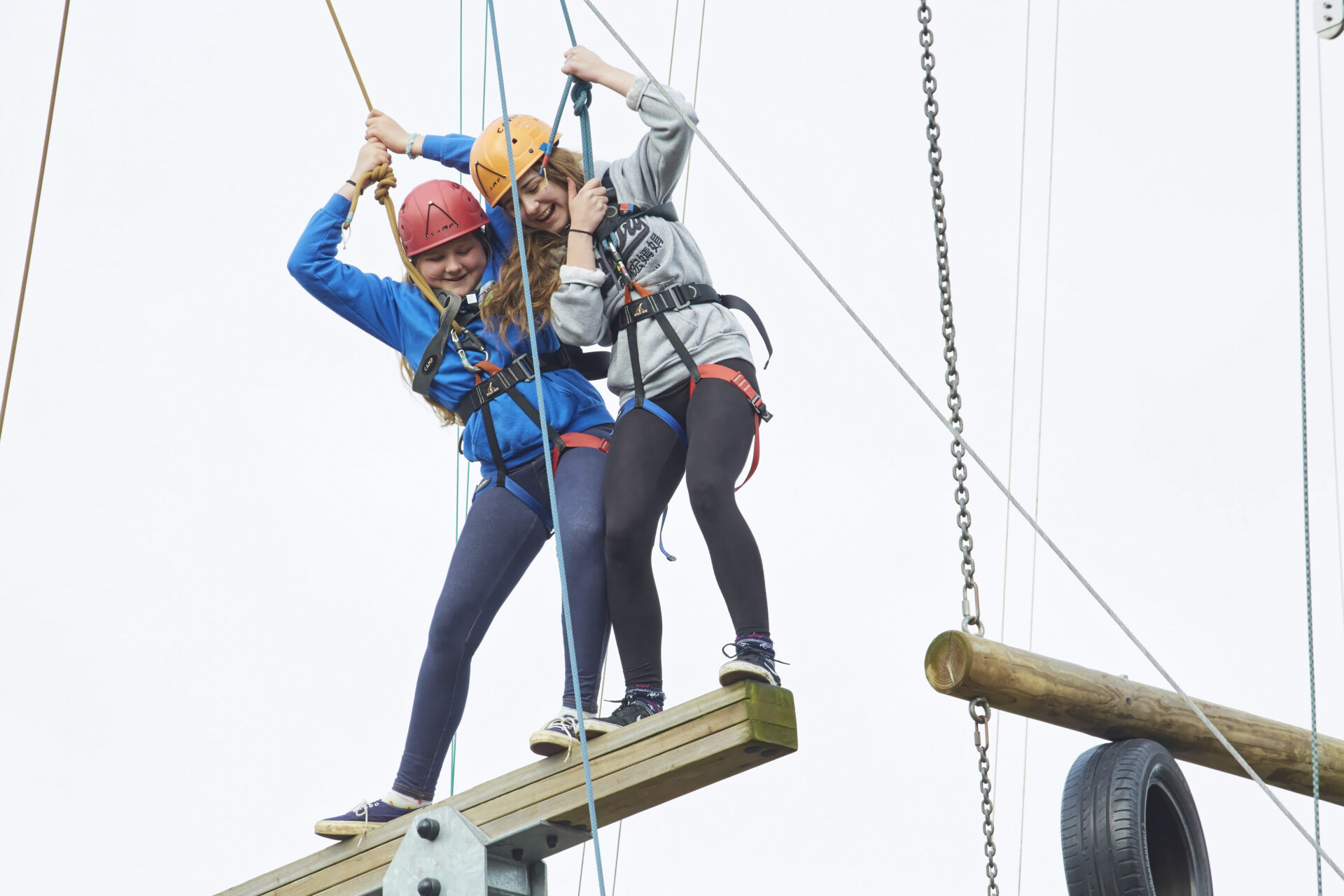
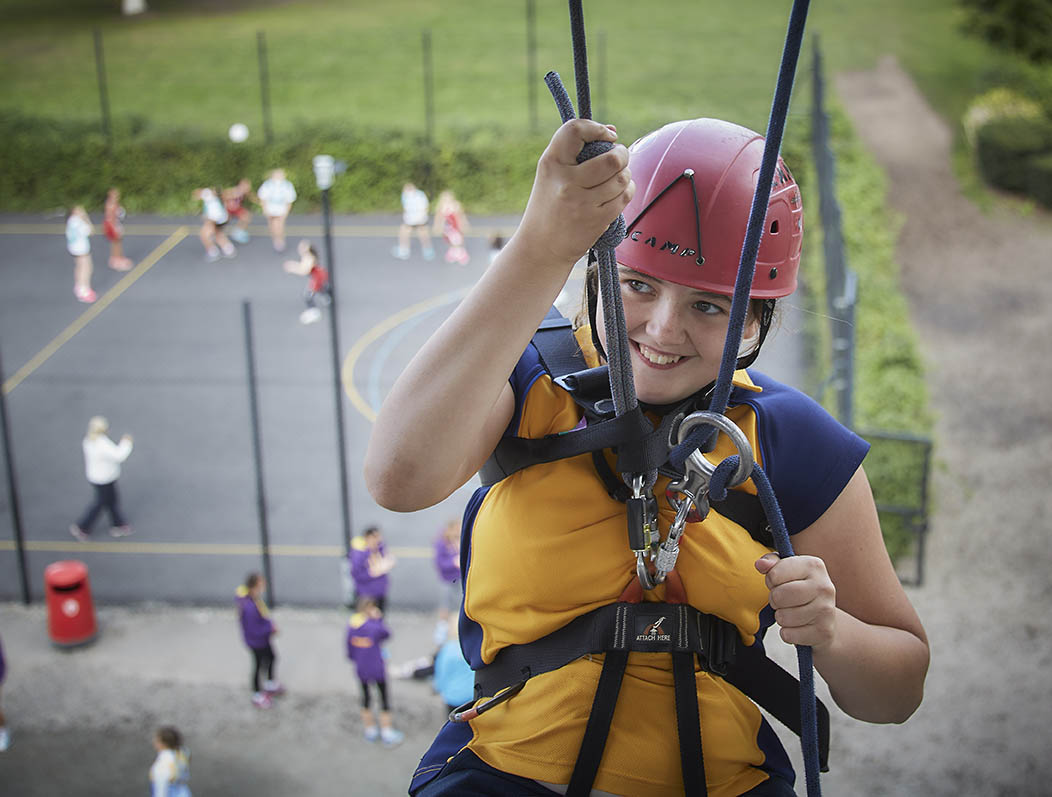
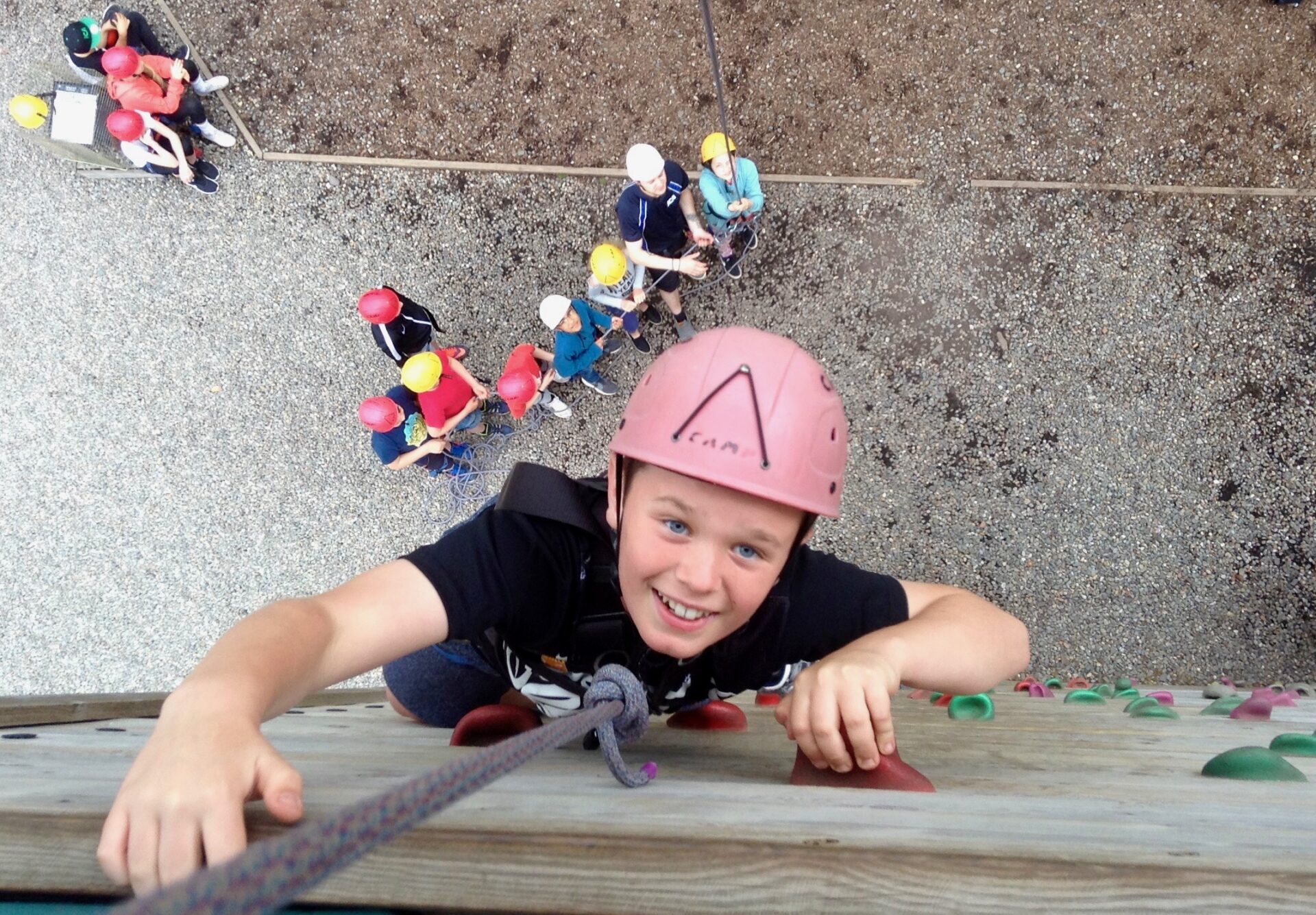
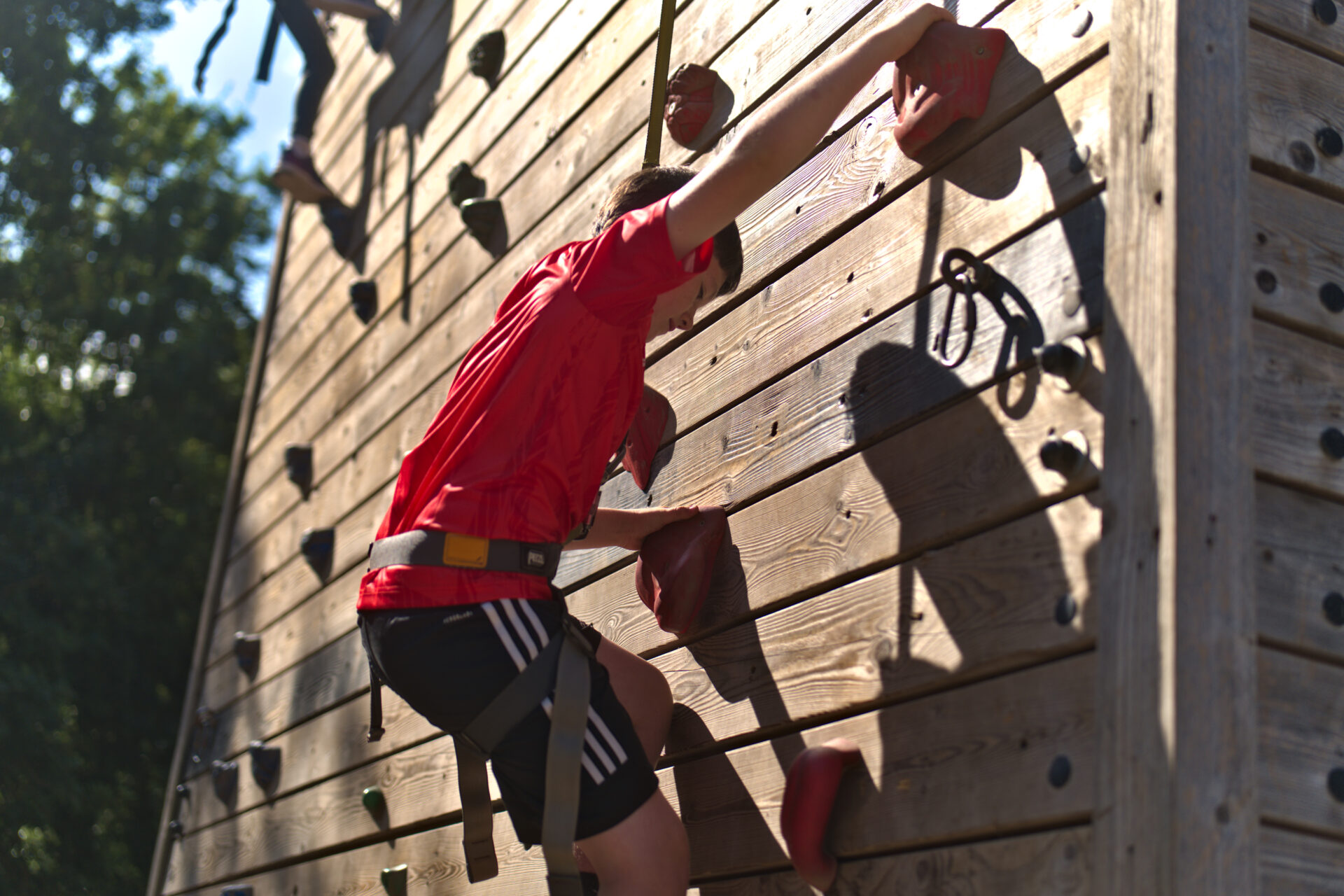
Behind the planning, the real test of a safety culture is what activities look like on the ground. Take climbing, for example. Safety checks could easily feel like something pupils have to sit through before the fun begins, but Russ recalls a staff leader who seamlessly wove them into the session itself. By explaining ropes, harnesses and key safety points in a friendly, engaging way, they kept the children involved from the start. The result was a session where safety remained visible and important without ever feeling like a lecture.
Did the instructors make the kids feel safe?
Trust gets built quickly
The same staff member tends to work with the same group across most of the stay, in line with JCA’s one dedicated instructor per group approach and a typical 1:12 ratio. Sessions feel more personable through the week, and by certificate day staff can speak to each child by name:
“The staff are able to recall specific anecdotes about each of the children individually.”
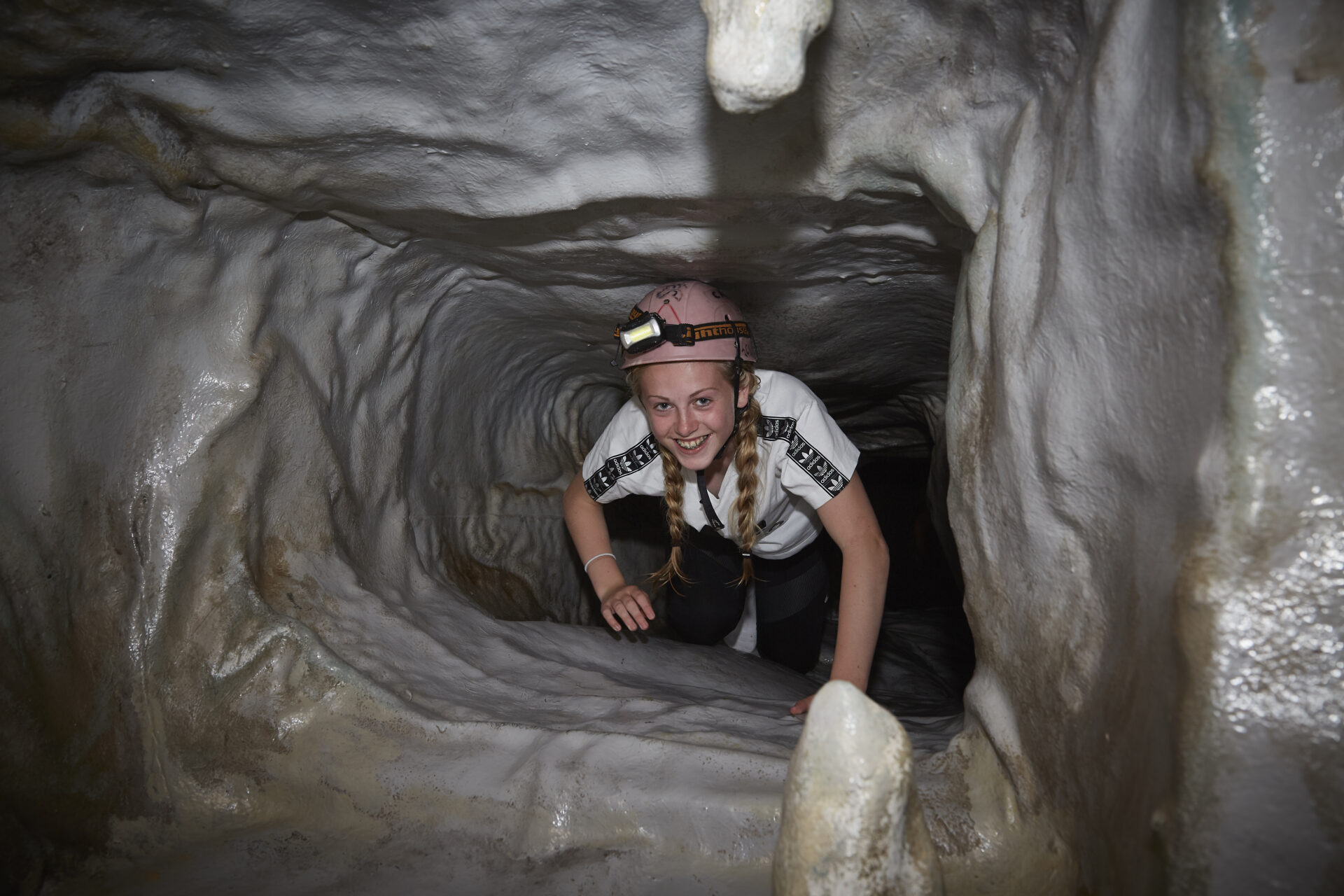
This depth of knowledge also shows up when a child needs a different version of an activity. On Russ’s last visit, one boy struggled with caving because of the space and the noise. Rather than treat that as a missed activity, the leader in charge worked around it. Russ described what happened:
“The leader in charge made arrangements for him to be in the cave with just one other child so that this pressure was relieved and he had the opportunity to take part in his own way.”
That’s what understanding additional needs looks like in practice. Not a policy on a wall, but an instructor identifying where an accommodation is needed and re-shaping the session in real time.

When the day shifts, you’re first to know
Any experienced teacher knows that a residential day doesn’t always go exactly to plan. Sometimes changes come from the centre, perhaps an outdoor activity needs to move indoors due to the weather. Other times, the school may want to adjust the schedule, whether that’s extending a session the children are really enjoying or bringing dinner forward after a busy day. At moments like these, clear communication is essential. Teachers need quick updates when plans change, and they want confidence that any requests from their group will be heard and acted upon
Russ’s experience is that changes are communicated promptly, giving his school plenty of time to adapt. And when his group has needed support from the senior team at Condover Hall, staff have made time to listen, respond and resolve any issues quickly.
A safety culture you can feel everywhere
After four years of visits, Russ has seen the activity team continually refine and develop their sessions. For him, that’s part of what inspires confidence in Condover Hall’s approach to safety. Not only are activities delivered safely, but the staff leading them are experienced, knowledgeable and skilled at engaging children throughout each session.
And it isn’t just the activity team that has impressed St Andrew’s. Russ highlights the professionalism of the grounds team too, noting the care and respect they show towards pupils and visitors, as well as the attention given to maintaining a safe environment across the site.
A strong safety culture isn’t only visible on the climbing wall or during activities. It’s something you notice throughout the centre, from the way staff interact with pupils to the way the whole site is managed. For Russ, that’s a key reason why to rebook year after year.
Primary residential
Planning a primary residential and weighing up the safety question?
If safety is the deciding factor on your next residential, the most useful next step is a conversation about your group, your dates and any specific needs you’re working around. Enquire about a Condover Hall residential and ask about preview visits if you’d like to walk the site first. Alternatively, if a water-based residential is more your group’s speed, take a look at Croft Farm.
What’s the Best Age for a School Residential?
Hear from a JCA specialist on when children are most likely to benefit from their first residential experience.
Frequently asked questions
Is Condover Hall a safe activity centre for primary school children?
Yes. The centre operates a policy of one dedicated instructor per group, an instructor-to-child ratio of typically 1:12, and 24-hour on-site staffing. Teachers report that safety briefings and check-ins start the moment the coach arrives, with a senior staff member confirming arrangements before any activities begin.
How does JCA Adventure support pupils with additional needs on residentials?
Additional needs information is shared with on-site staff on arrival, so that activities can be tailored where necessary. In one example from a recent visit, a child uncomfortable with the standard caving activity took part with just one other pupil in a quieter version of the session, arranged on the spot by the leader in charge.
What do primary school teachers say about JCA residentials at Condover Hall?
Russ Hyde, at St Andrew’s Primary School, says what’s earned four years of return visits from his school is organised pre-trip communication, the same staff working with the group throughout each stay, organised activity staff, and clear communication when the schedule shifts. He reports zero concerns about safety.
Ready to plan your primary school residential?